
Our Braille Transcription Process

How We Work
Every project is different, but our commitment to accuracy, communication, and on-time delivery remains the same. From the first files you send us through final delivery, our process is designed to make professional braille transcription clear, organized, and dependable.
Making Braille Projects Simple From Start to Finish
Every braille project has different requirements, materials, deadlines, and technical considerations. Braille and More follows a clear, proven process designed to make your project as straightforward as possible—from the first files you send us through transcription, proofreading, production, and final delivery.
We take the time to understand your materials, identify the appropriate braille standards and formatting requirements, and match your project with specialists who have the right experience for the work.
Throughout the process, our focus remains the same: accuracy, communication, quality, and on-time delivery.
From the First File to the Final Volume, Every Step Matters.
Step by Step
01 — Send Us Your Materials
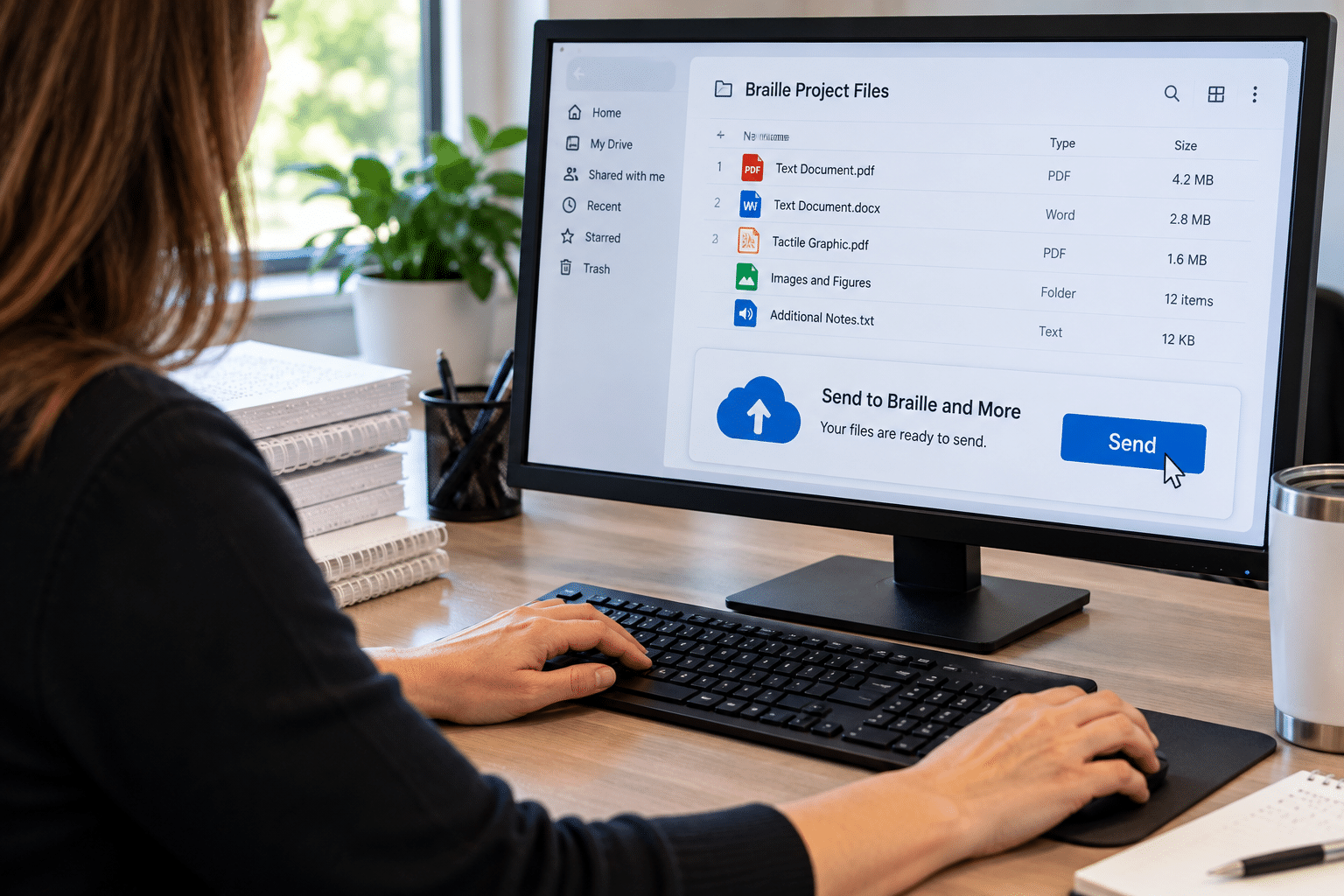
Send us your source materials in whatever format you have available. We can work from hard-copy books, PDFs, Microsoft Word documents, PowerPoint presentations, music notation files, image files, and many other formats.
Digital files can usually be emailed, while hard-copy materials may be mailed directly to our office.
If a NIMAS file is available through NIMAC.us, please assign it to Braille and More, as it is a helpful part of creating an estimate.

02 — Project Consultation
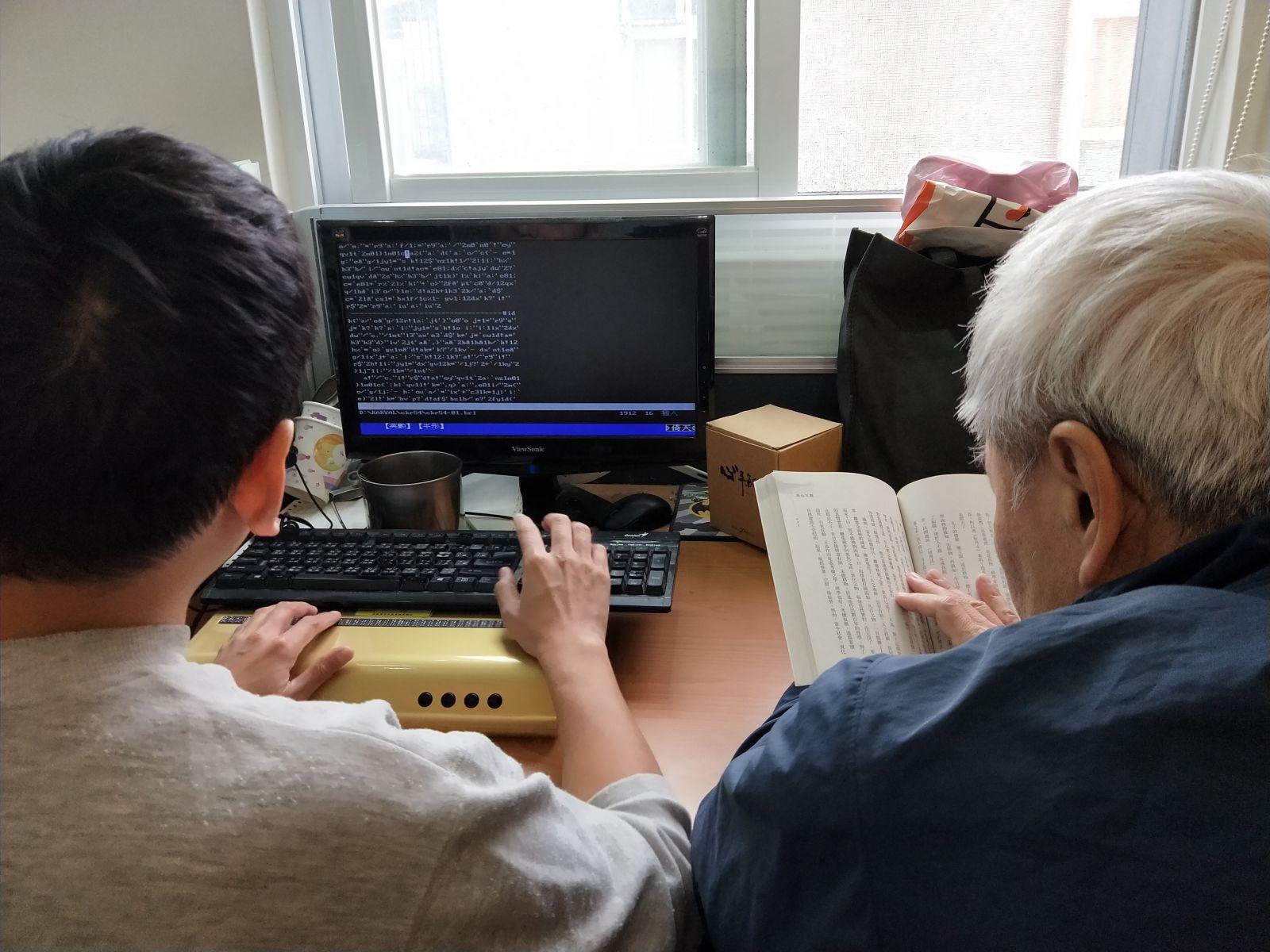
We’ll discuss your needs, deadlines, delivery preferences, and any special requirements.
Some of the questions we’ll discuss may include:
- What braille code is required?
- UEB Math or Nemeth?
- Are graphics needed?
- Have you sent all the needed files, or will more follow?
- Embossed materials or digital BRF delivery?
- Is there a hard deadline, or should production follow a syllabus?
- Are there existing files we should know about?
This gives our team a clear understanding of the project before we move forward.
03 — Technical Review
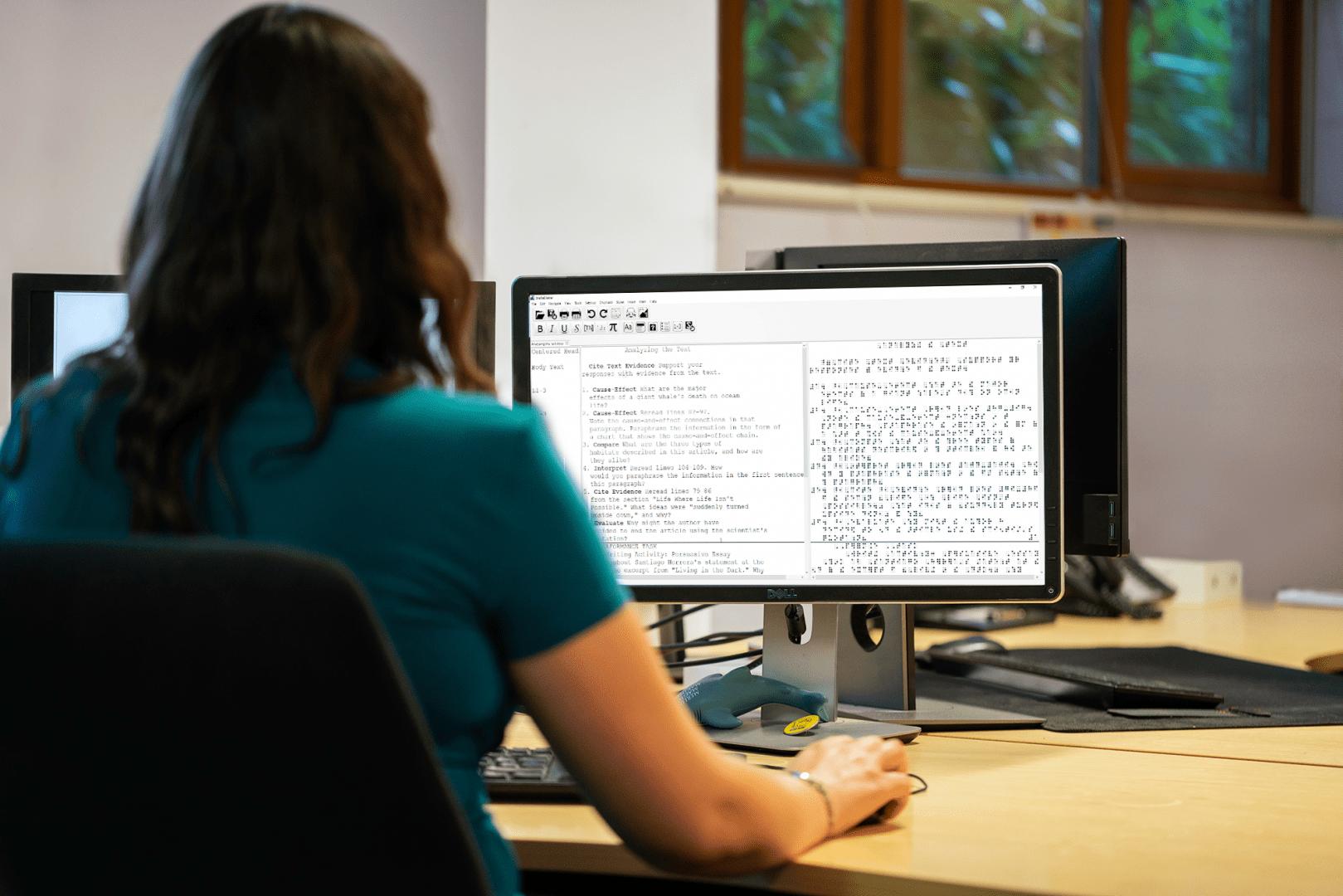
We examine the source materials to determine the appropriate braille codes, formatting requirements, tactile graphics needs, and project complexity.
We’ll ask additional questions if needed and recommend the best approach for producing accessible materials that meet your requirements.

04 — Estimate
You’ll receive a detailed estimate outlining the scope of work, projected timeline, and cost before any transcription begins.
Our estimates are based on the information available at the time they are prepared, before transcription begins.
If additional materials, formatting challenges, or changes in the project’s scope affect the cost, we’ll discuss them with you immediately before proceeding.
05 — Approval / Purchase Order
Once you approve the estimate—or send a purchase order—we schedule your project.
For new clients, we’ll also complete any vendor paperwork or electronic registration needed by your organization.

06 — BAM Specialist Selection
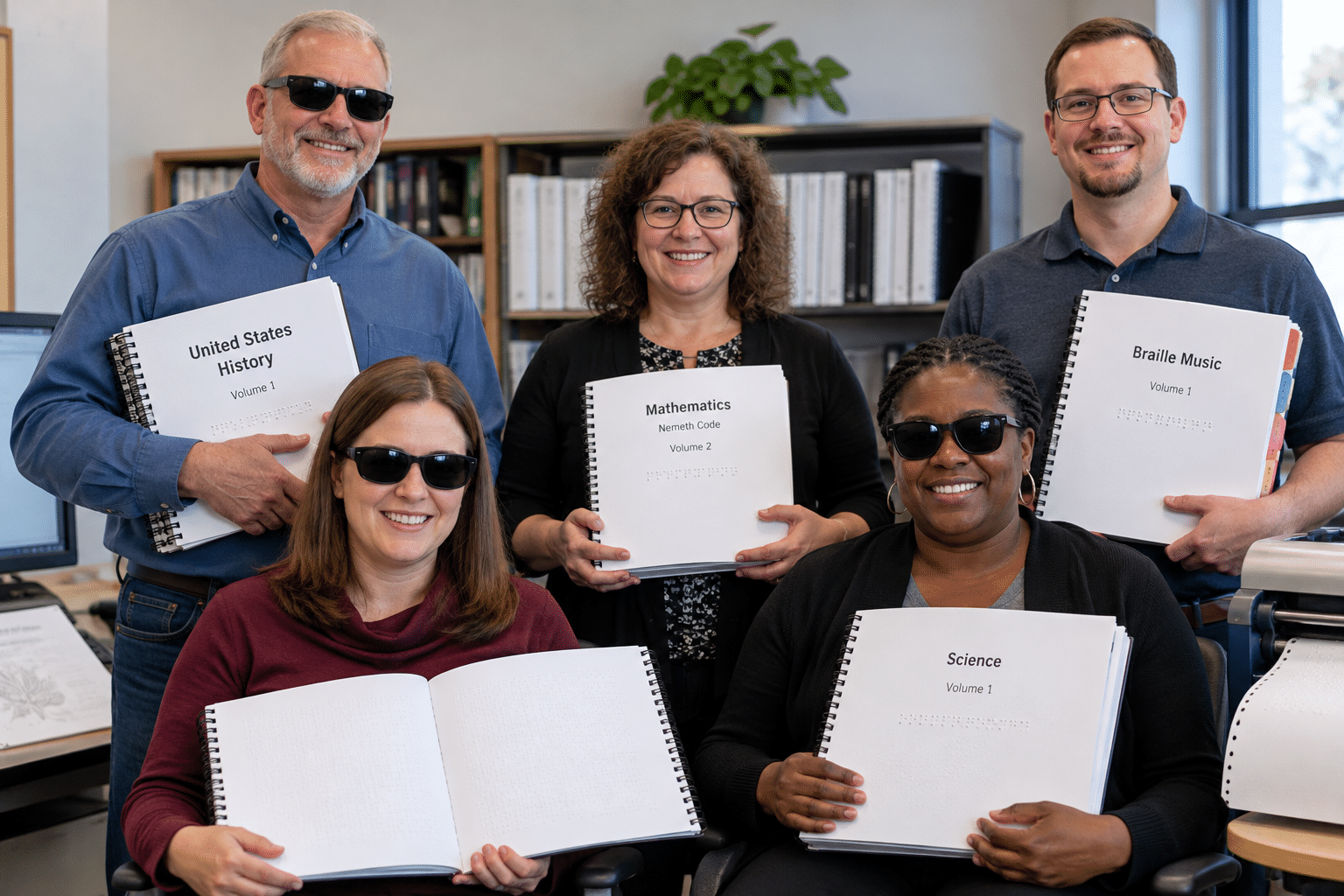
We carefully match your project with one or more specialists whose experience best fits your subject matter, technical requirements, and timeline.
That allows us to assign specialized projects to professionals with experience in the type of material being transcribed.
07 — Braille Transcription & Tactile Graphics
Your assigned specialists begin creating your braille materials, while tactile graphics are developed alongside the transcription whenever needed.
Text, mathematics, music, technical content, graphics, and other specialized materials are handled according to the requirements established during the project’s technical review.
08 — Proofreading
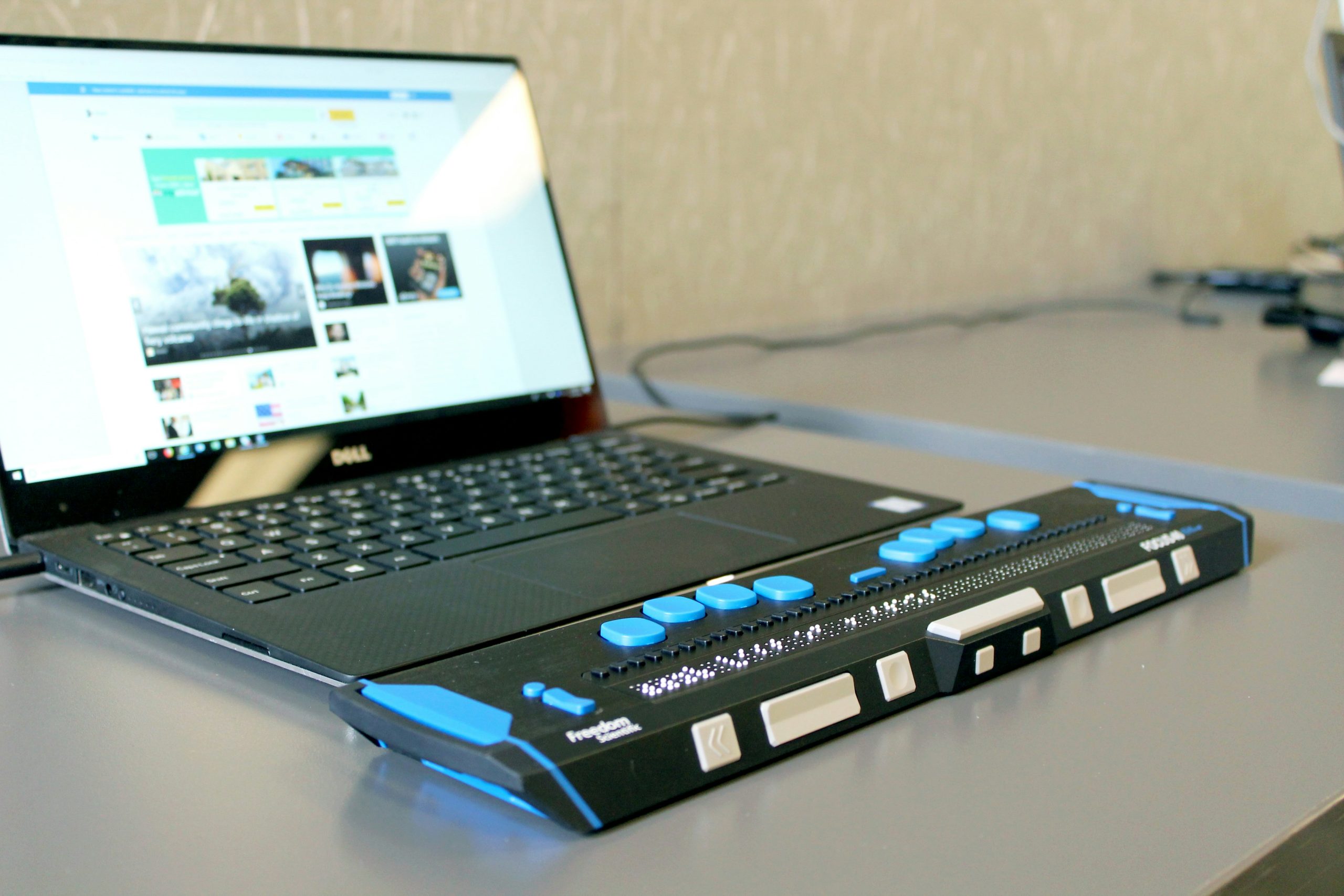
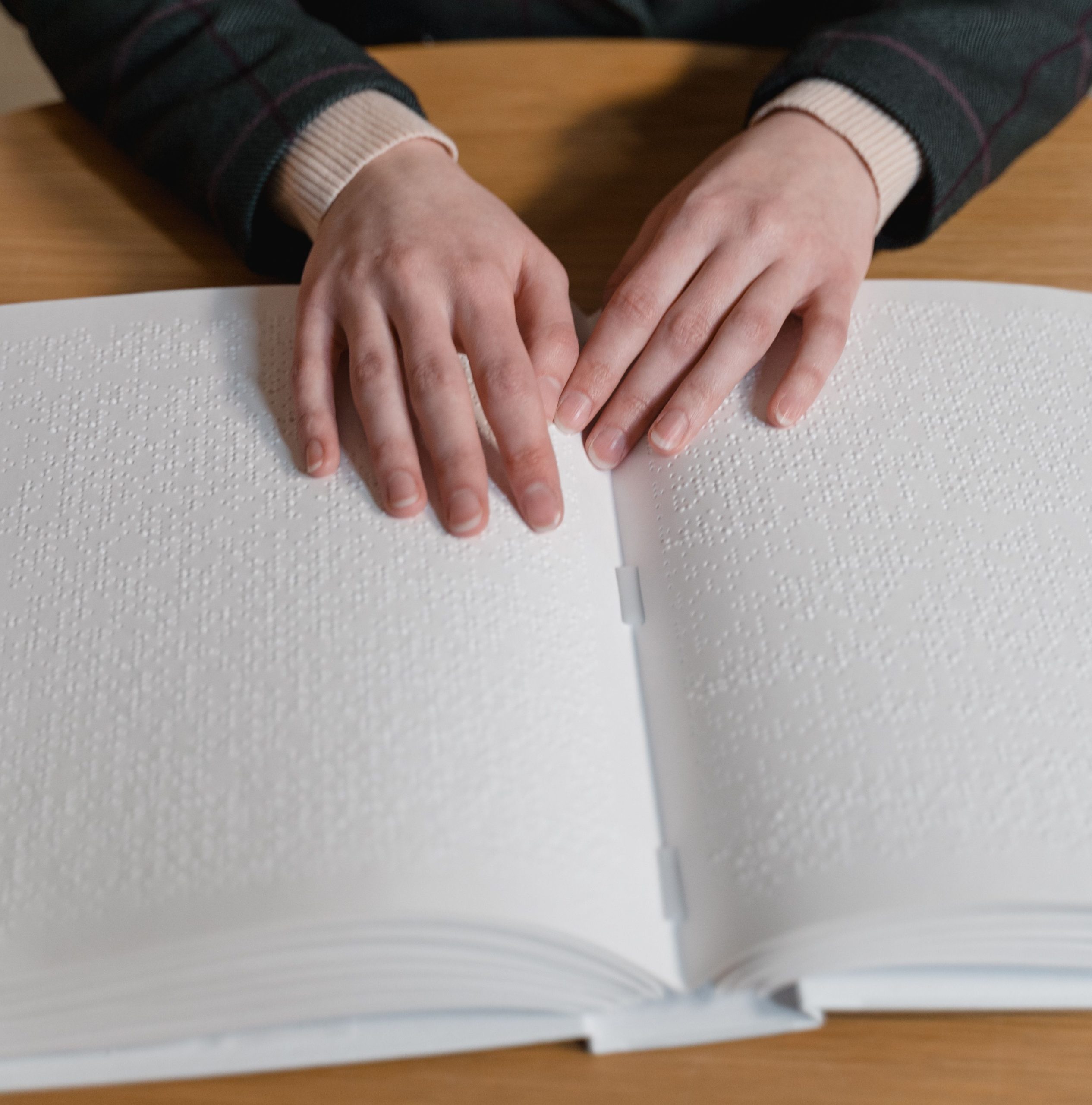
Our transcription projects typically include independent proofreading to ensure accuracy, consistency, and adherence to current braille standards.
This is an important part of our quality-control process and helps ensure that the finished materials are ready for their intended reader.
09 — Digital Delivery or Embossing
Depending on your needs, we can deliver completed BRF files for local production or emboss professionally produced hard-copy braille volumes and ship the finished materials directly to you.
This allows schools, organizations, and individuals to choose the delivery method that works best for their situation.
10 — Binding / Quality Check
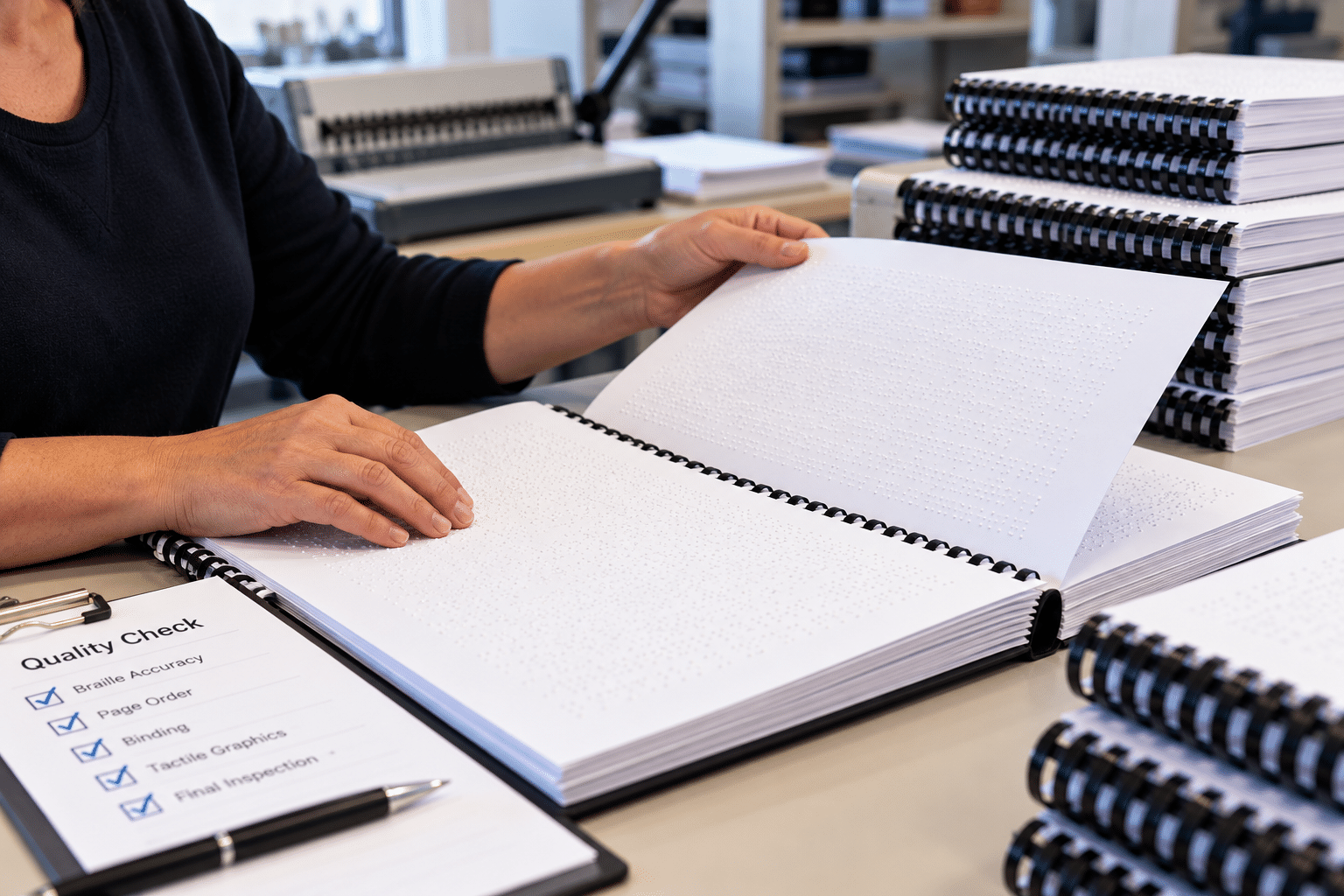
Before printed materials leave our office, we inspect each volume for completeness, verify page order, and ensure the finished product is ready for your student or client.
This final production check helps make sure that what arrives is ready to use.
11 — Braille Materials Delivery
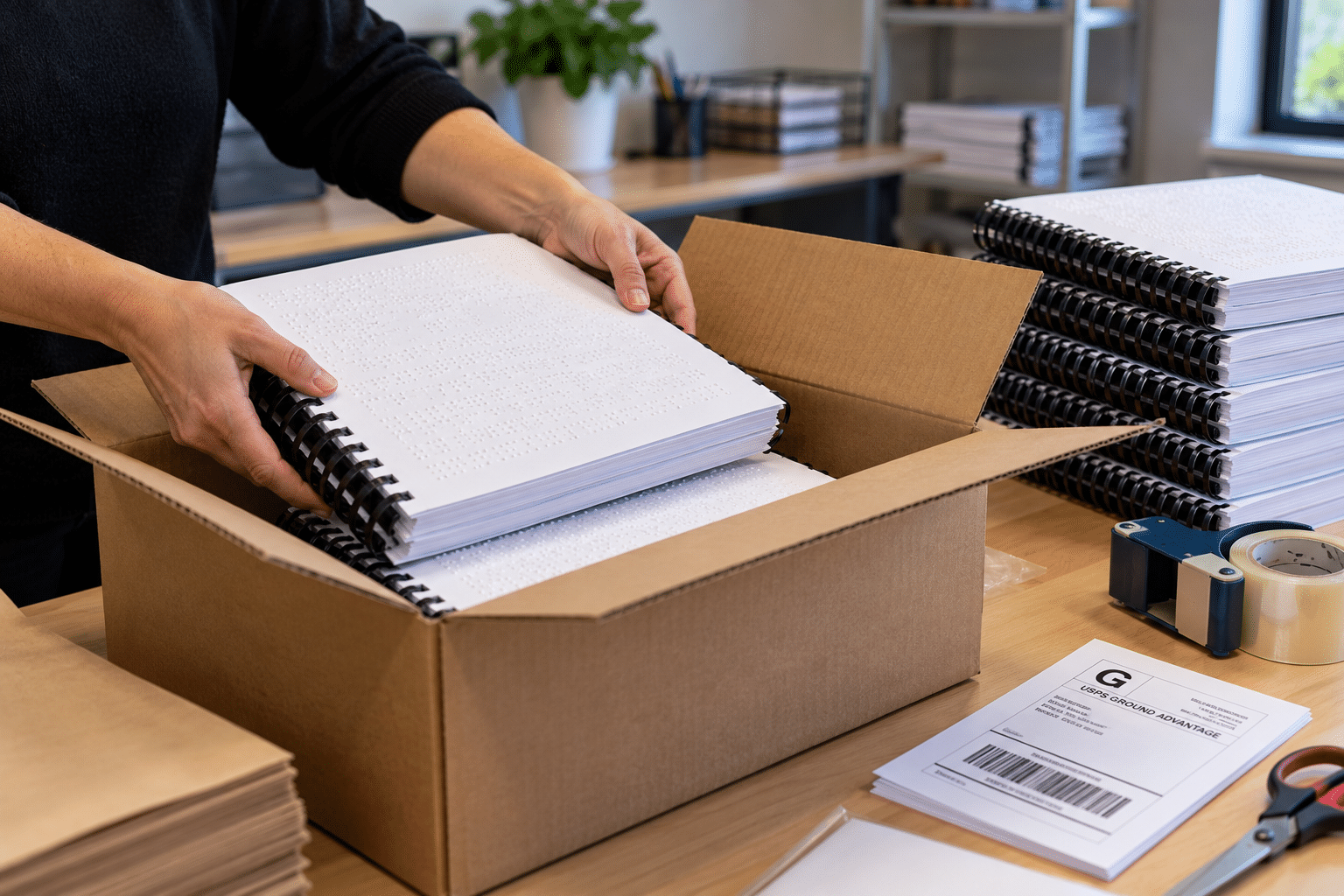
Your completed braille materials are carefully packaged and shipped, arriving ready to be used in the classroom, workplace, home, or performance setting.
Why Choose Braille and More?
SPECIALIZED EXPERTISE
Projects are matched with specialists whose experience fits the subject matter and technical requirements.
INDEPENDENT PROOFREADING
Our transcription projects typically include independent proofreading for accuracy, consistency, and adherence to current braille standards.
CLEAR COMMUNICATION
We keep you informed about questions, requirements, schedules, and changes that could affect your project.
FLEXIBLE DELIVERY
Choose digital BRF delivery or professionally embossed, bound, quality-checked, and shipped braille materials.
FAQ
What file formats can I send?
We can work from many source formats, including hard-copy books, PDFs, Microsoft Word documents, PowerPoint presentations, music notation files, image files, and other digital materials.
What if I don't know which braille code I need?
That’s part of our process. We’ll review your materials and intended use and discuss the appropriate braille code and technical requirements with you.
Can Braille and More work from NIMAS files?
Yes. If a NIMAS file is available through NIMAC.us, please assign it to Braille and More. It can be helpful when evaluating and producing educational materials.
Do you provide tactile graphics?
Yes. When a project contains charts, diagrams, maps, illustrations, mathematics, science, or other visual information, tactile graphics can be developed alongside the braille transcription when appropriate.
Are projects proofread?
Our transcription projects typically include independent proofreading to help ensure accuracy, consistency, and adherence to current braille standards.
Can you provide BRF files instead of printed braille?
Yes. Completed projects can be delivered digitally as BRF files when appropriate, or we can professionally emboss, bind, inspect, package, and ship finished braille materials.
READY TO GET STARTED?
Start Your Braille Project
Send us your materials and tell us what you need. We’ll review your project, discuss the requirements, and help determine the best approach for moving forward.